
DePixelate
Cranbrook Academy
Wellness Center
2009
Bloomfield Hills, Michigan
Spa and Guesthouse
Unbuilt Concept

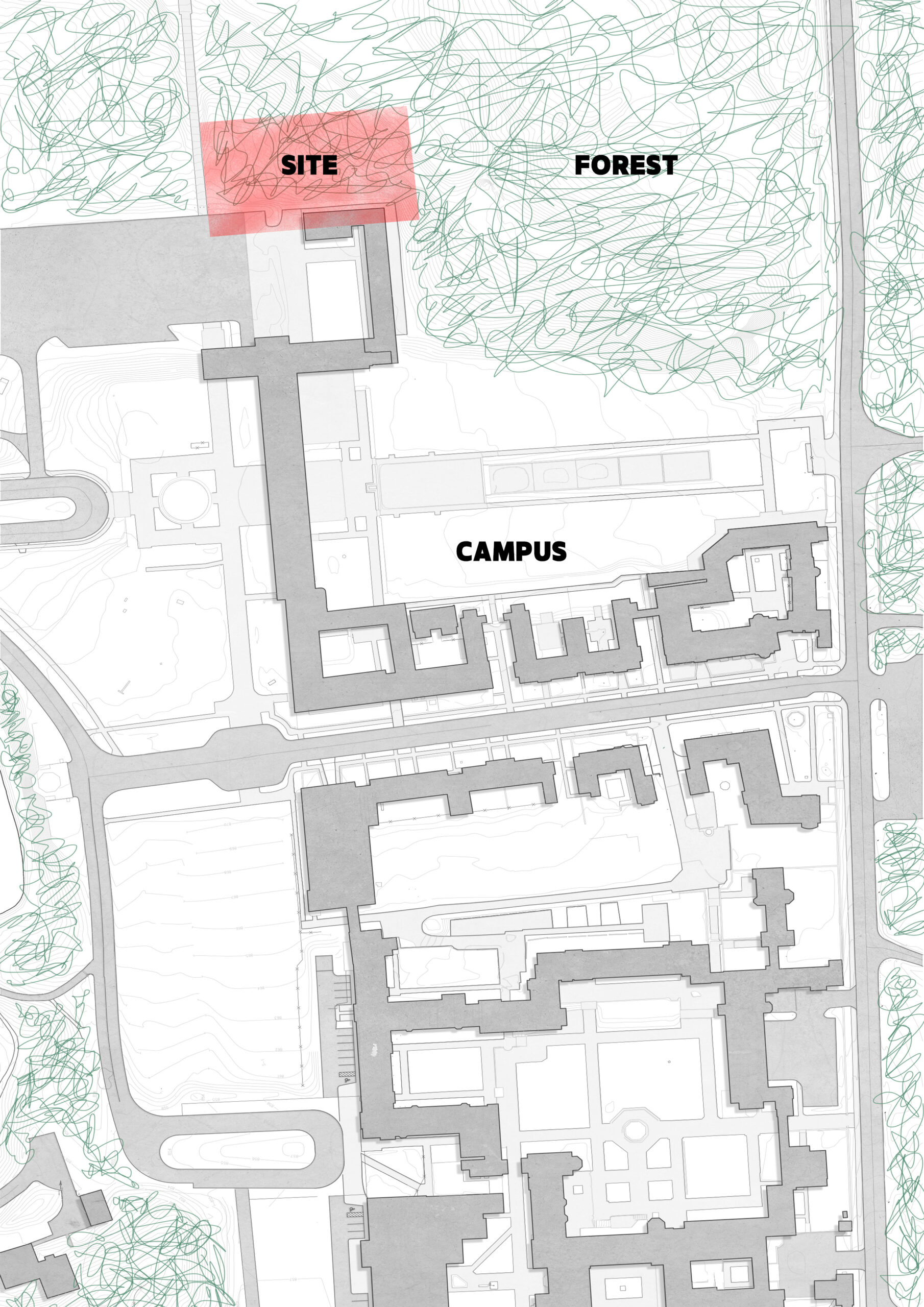
The Cranbrook Wellness Center is conceived as a retreat within one of America’s most carefully designed campuses. Eliel Saarinen’s original masterplan at Cranbrook Academy of Art established a rigorous architectural order: low brick volumes arranged in orthogonal patterns, framing intimate courtyards. Beyond this grid lies the surrounding forest, a dense landscape of trees, moss, and vines. The Wellness Center is sited at the threshold between the two, mediating between the ordered campus and the organic environment.
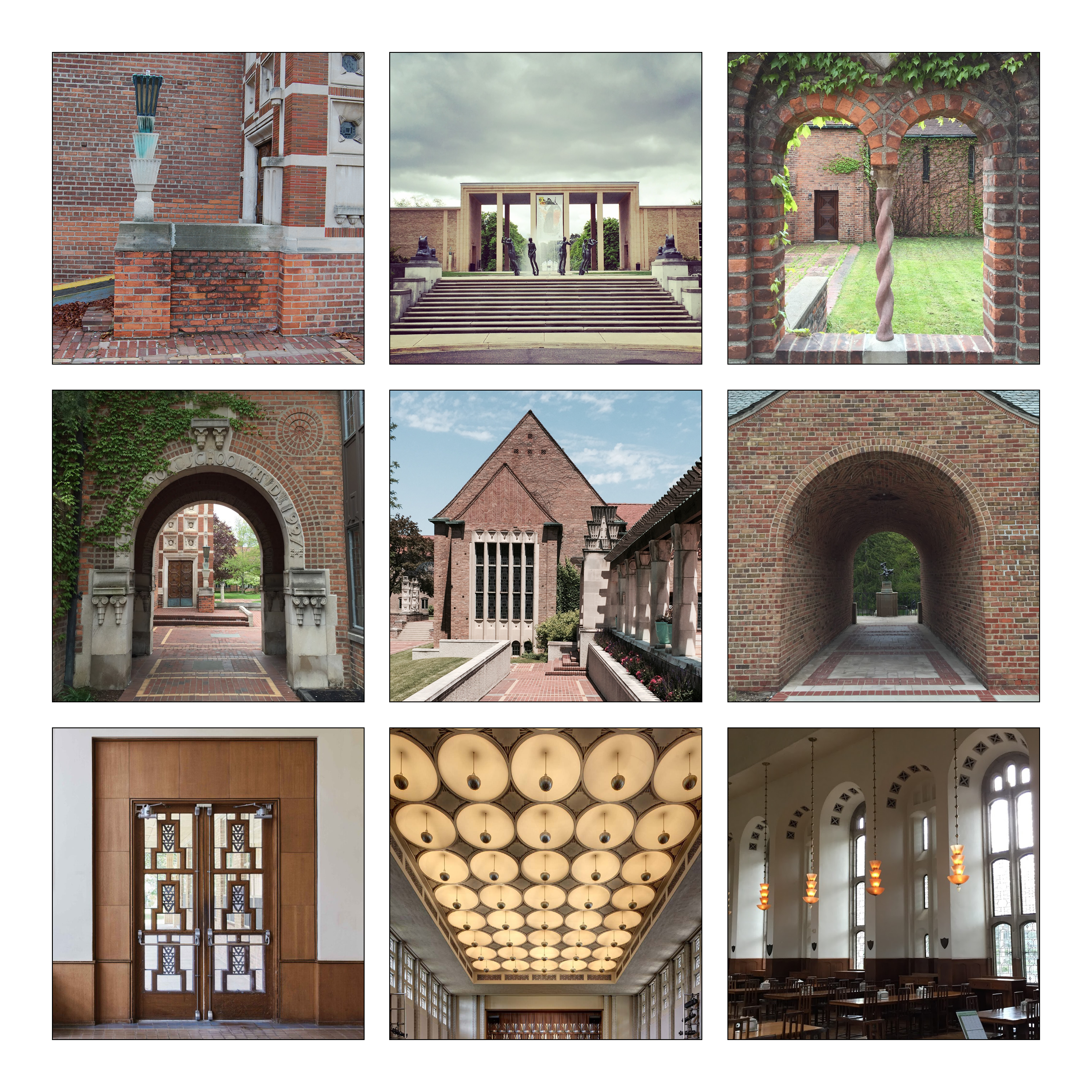
Cranbrook Campus
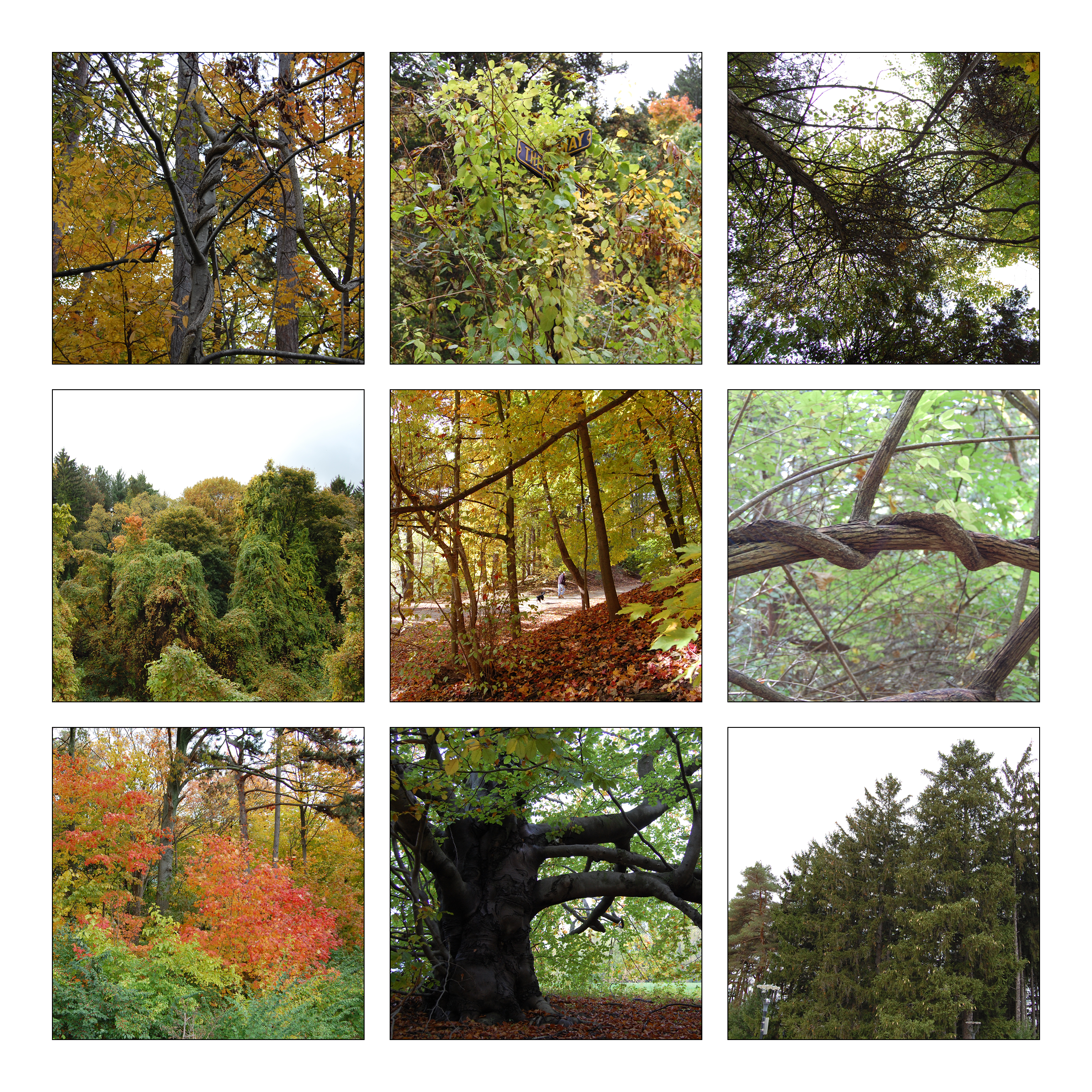
Surrounding Forest
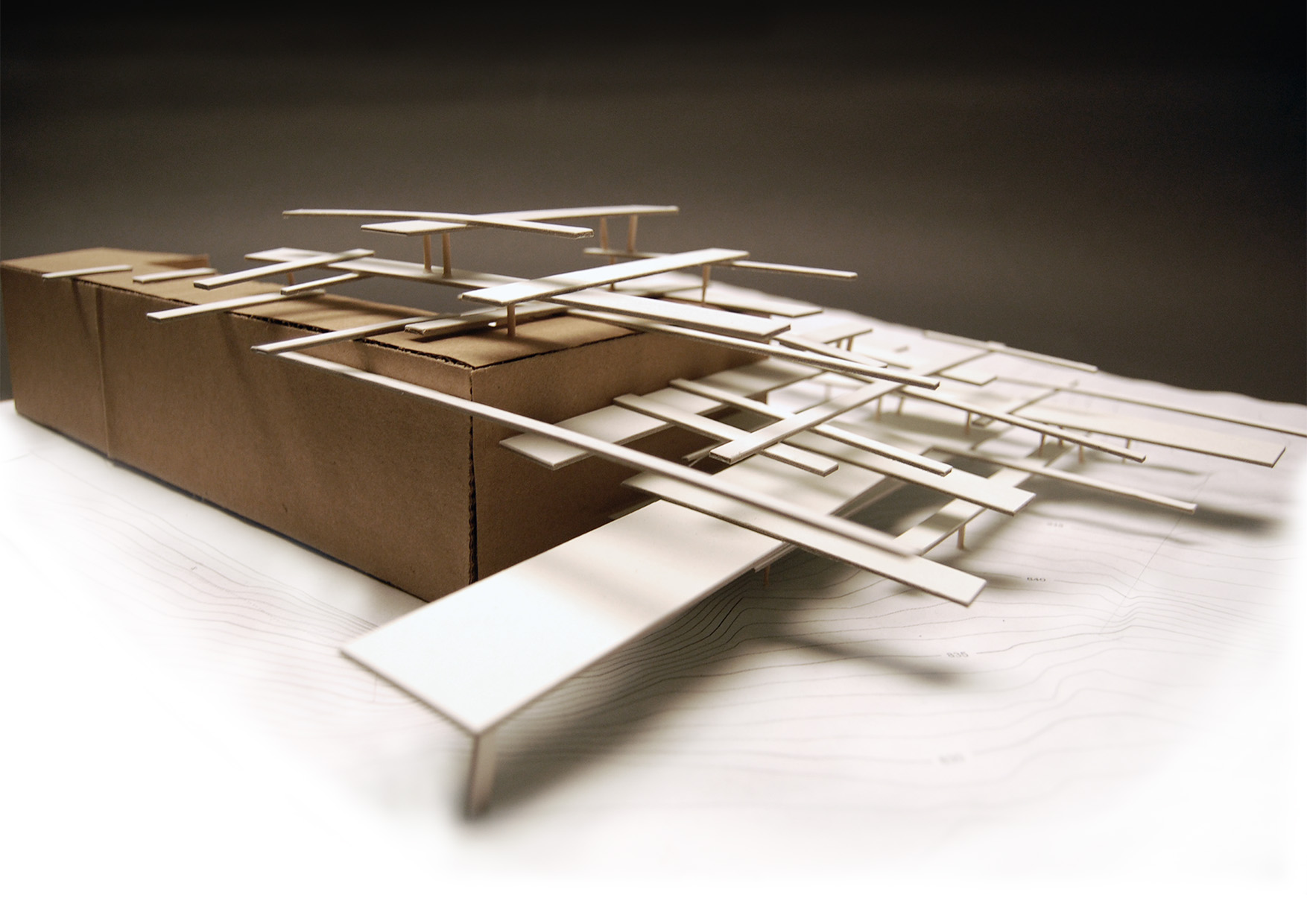
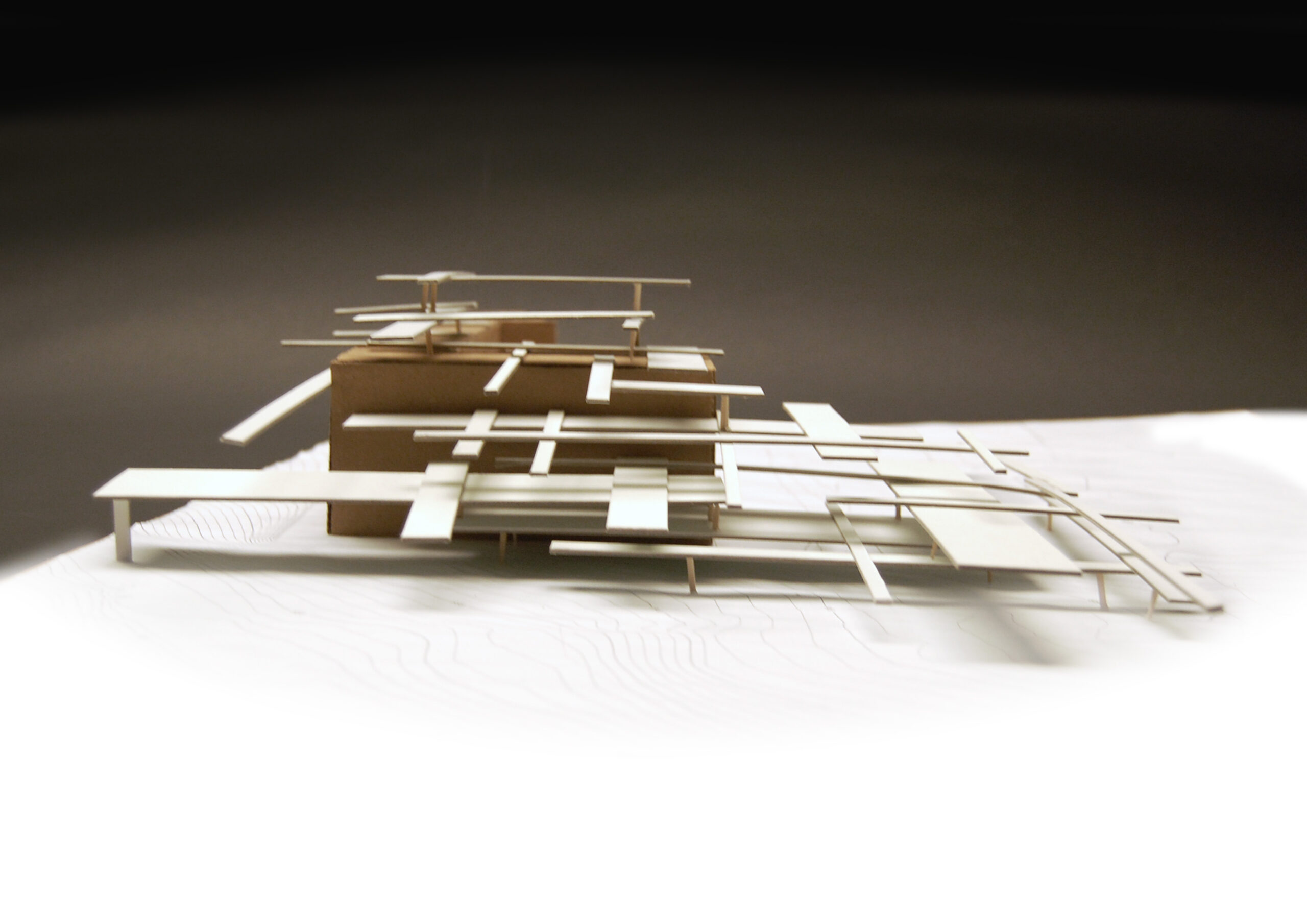
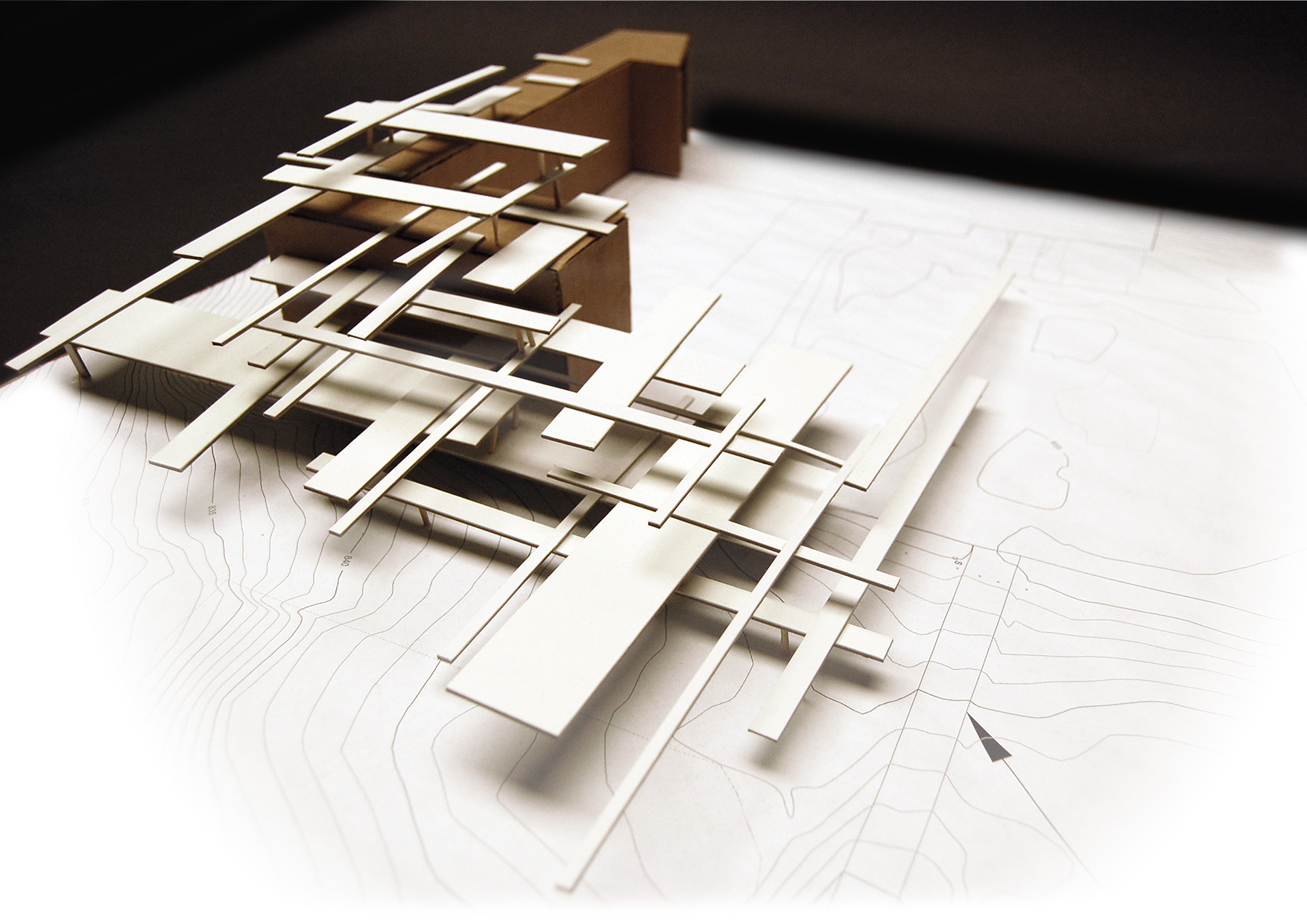
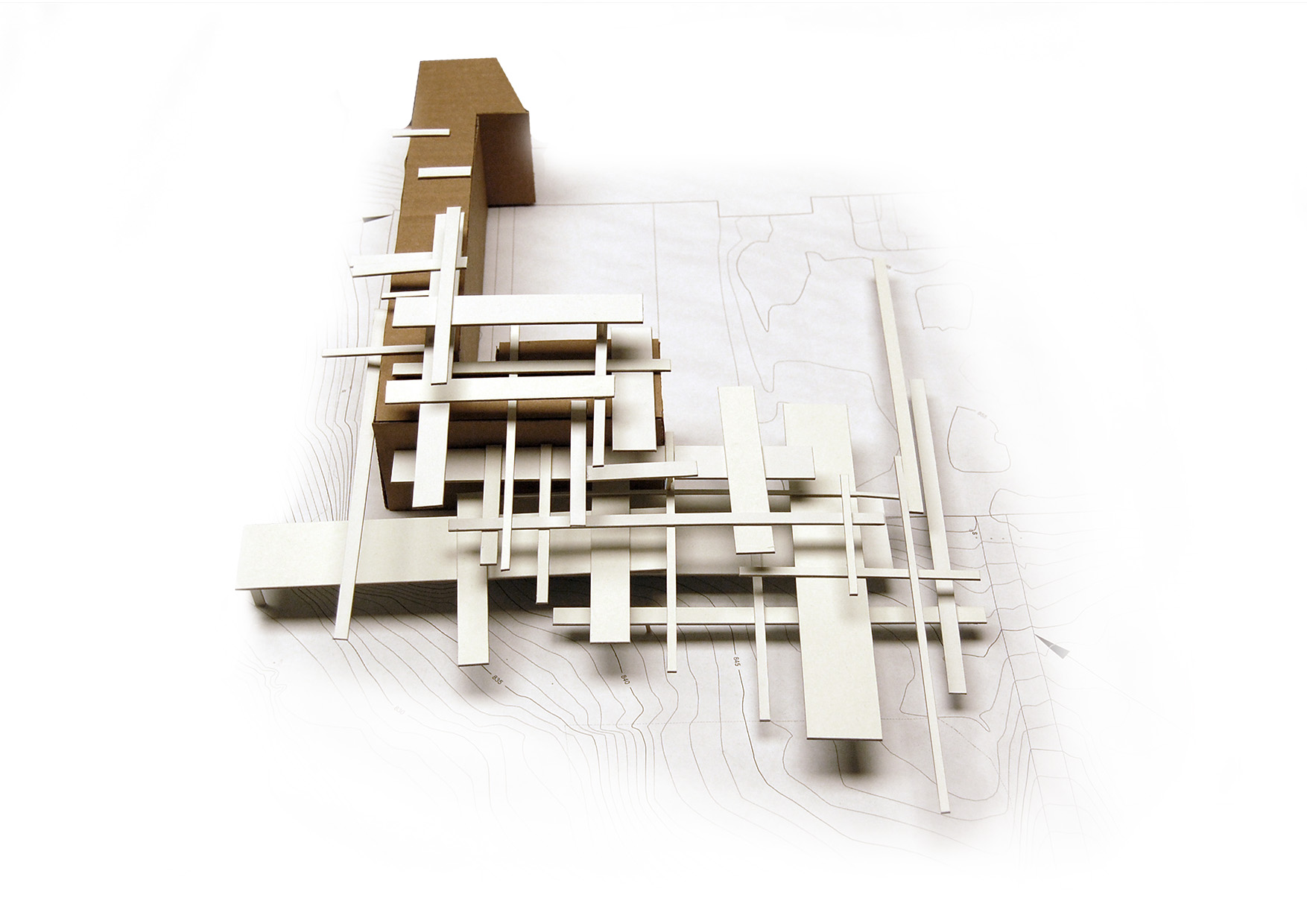
The project takes its architectural strategy from this condition. Where the campus presents a pixelated field of rectangular buildings, the Wellness Center imagines these volumes dissolving as they approach the forest. The grid depixelates into a finer grain — buildings fragment, multiply, and overlap, becoming porous and irregular as they blend with the woodland. Architecture here is not a singular form but a constellation, a landscape of built elements that appear to grow outward from the order of the campus into the complexity of nature.
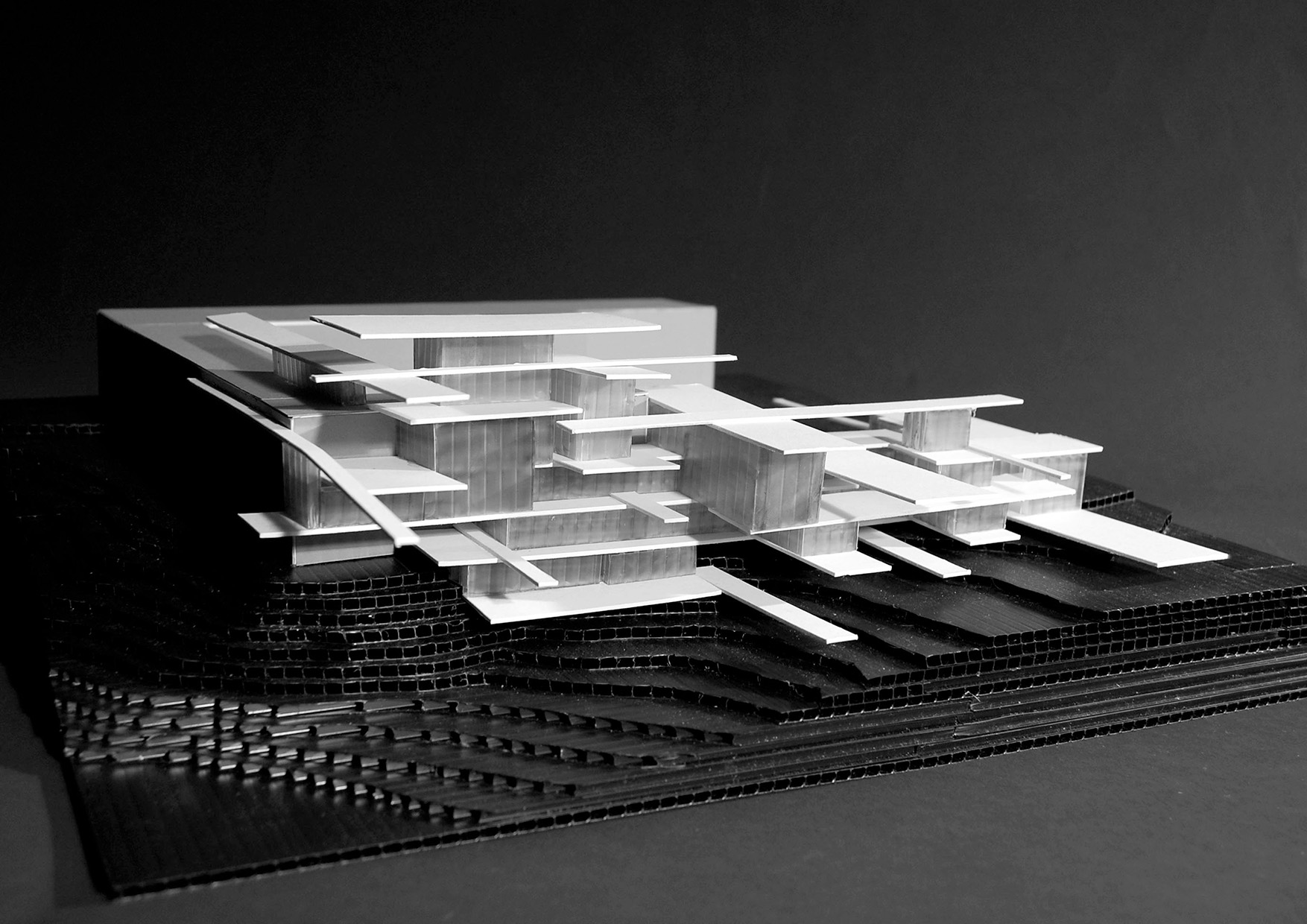

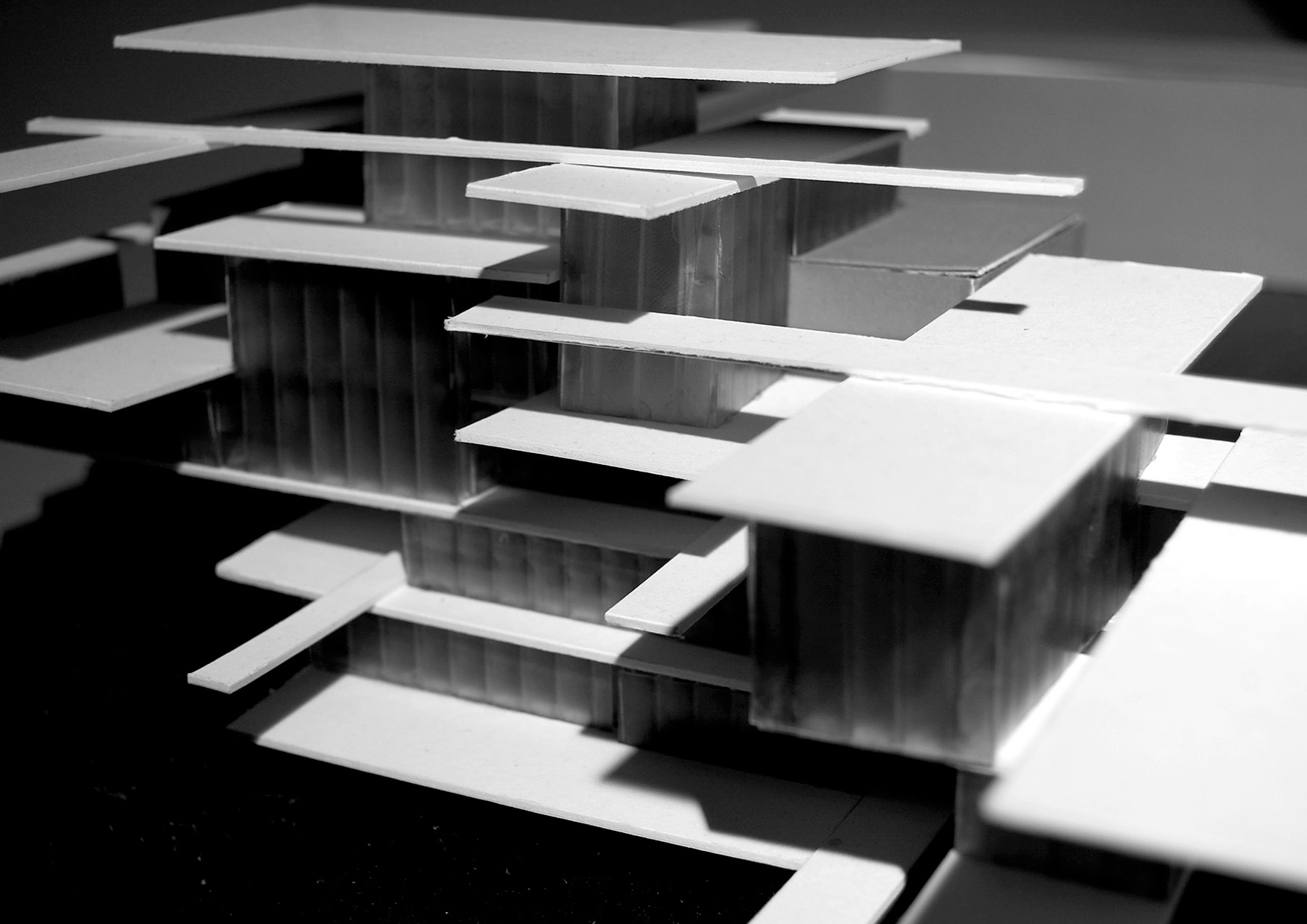
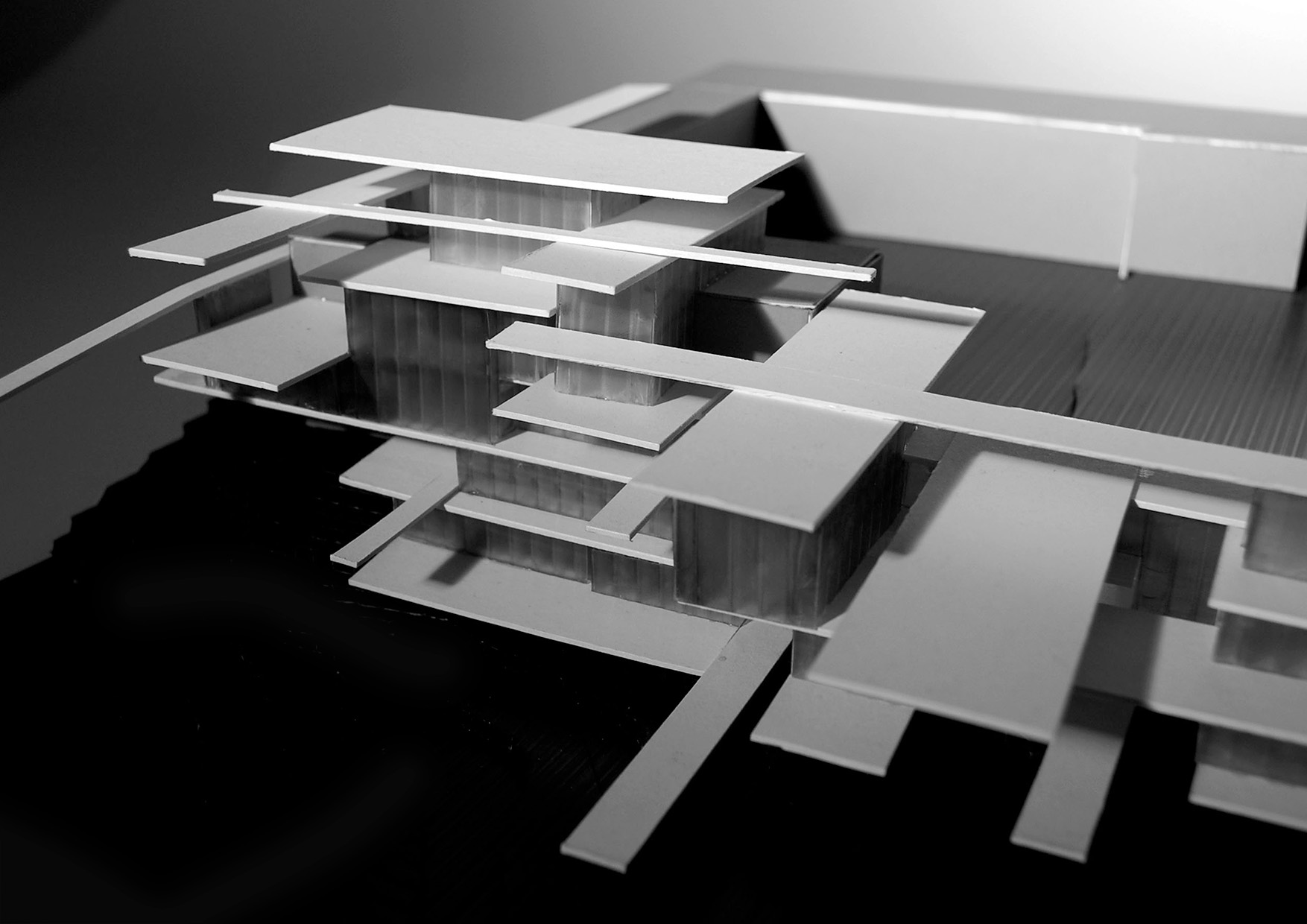
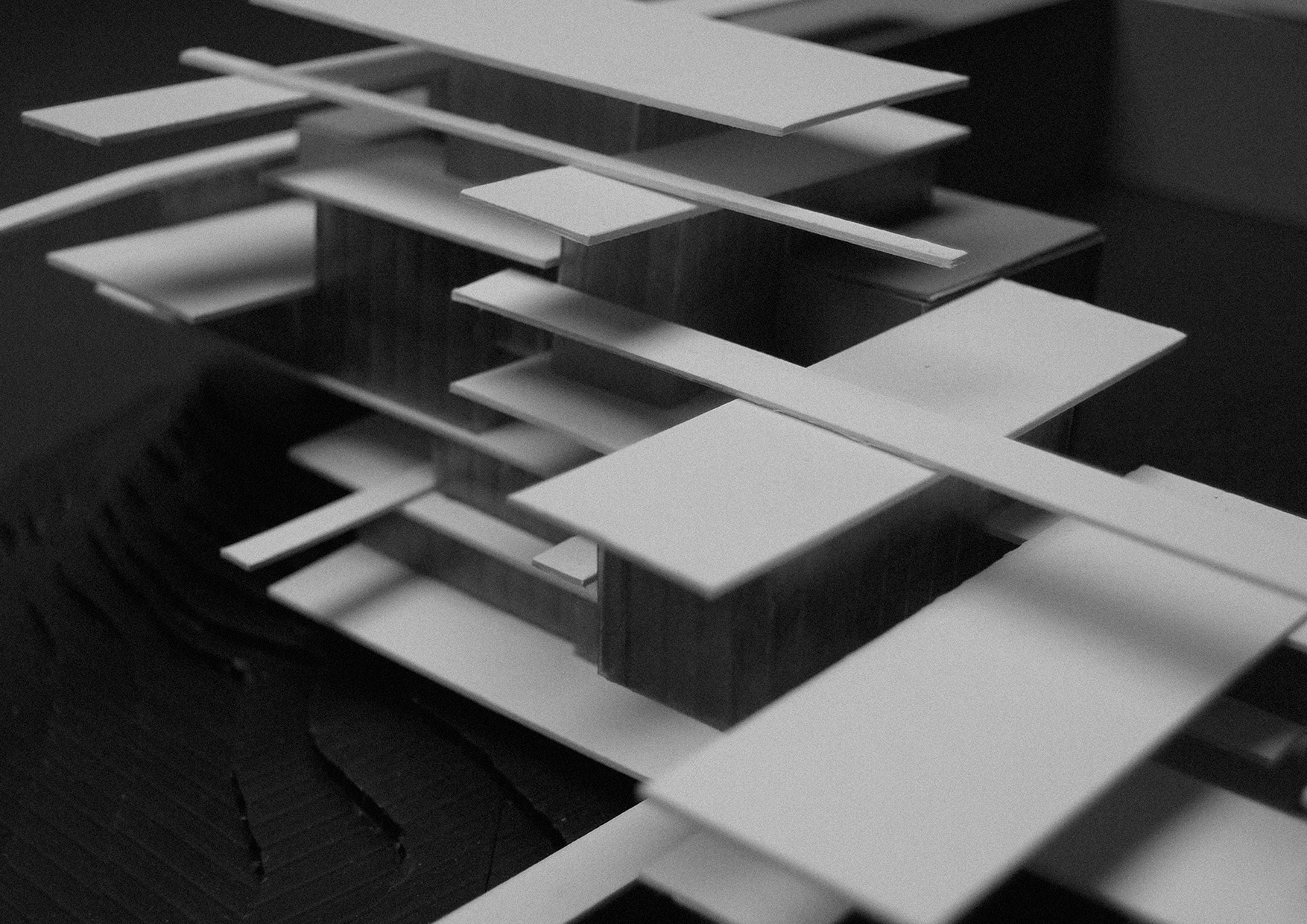
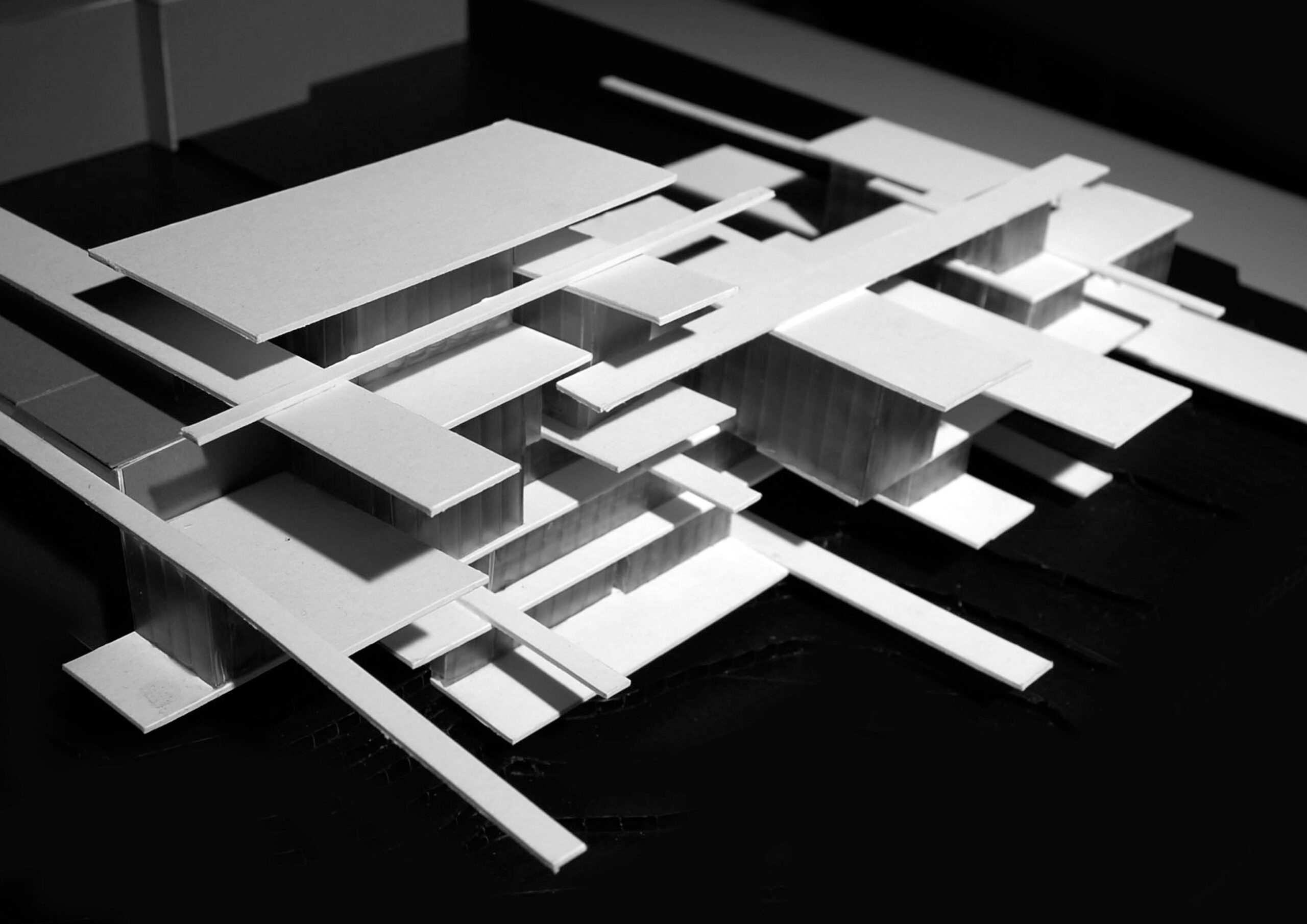
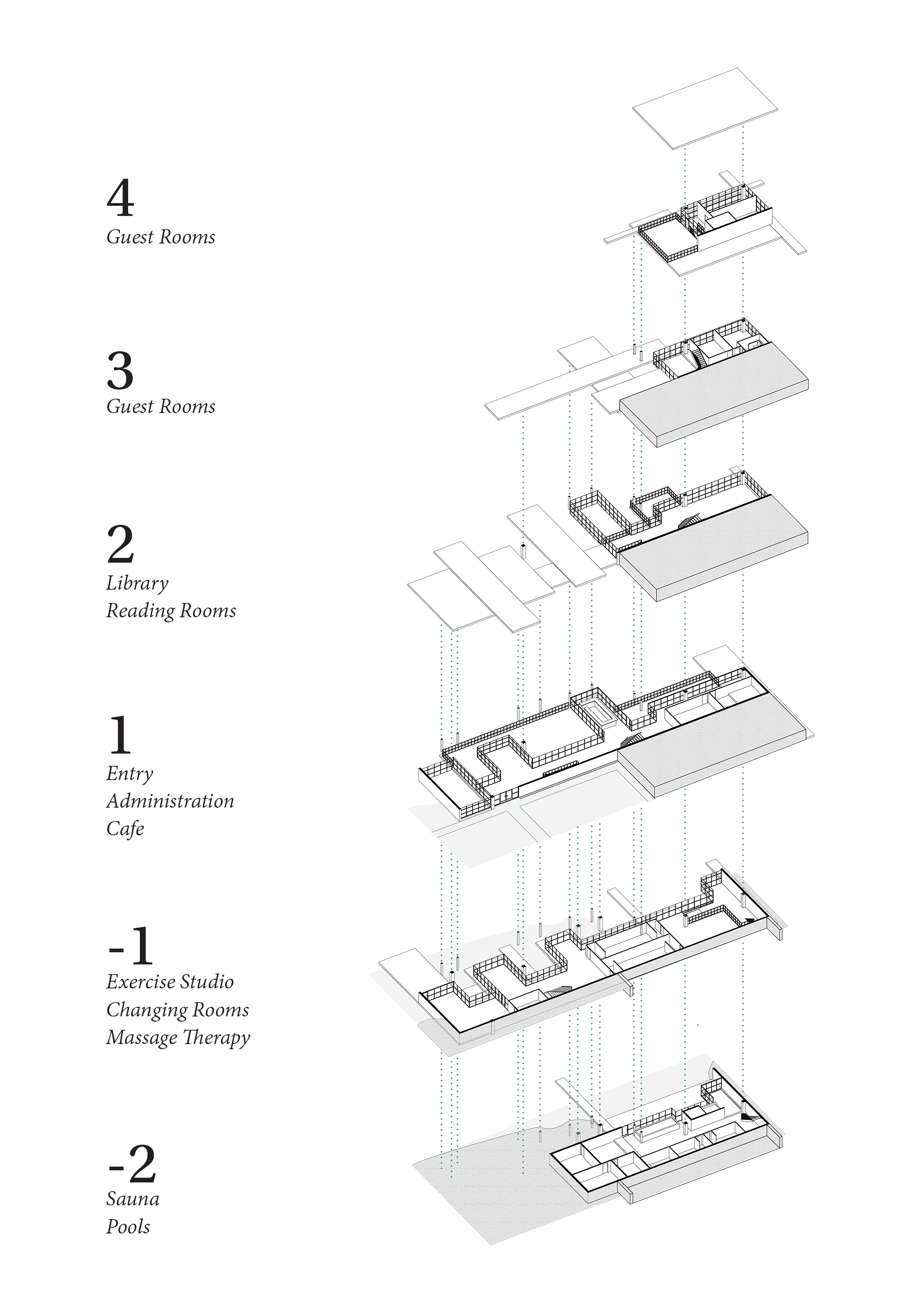
The program of the Wellness Center gathers together spaces for rest, exercise, and reflection. A library and reading rooms provide places for quiet study or informal meetings. A café and lounge open toward terraces, allowing students to gather in a social but relaxed setting. Studios for yoga and pilates, along with pools and saunas, offer light physical activity in close contact with nature. Guest rooms are arranged for visiting lecturers or artists, giving them a modest but comfortable place to stay after events that forefronts the Michigan wilderness.
Each of these programs is organized around the principle of retreat: not withdrawal from campus life, but a softening of its intensity. The Wellness Center complements the academy’s studios and lecture halls by offering spaces where intellectual activity can coexist with restoration.
The idea of depixelation shapes the overall composition. Larger rectilinear volumes near the existing campus dissolve into smaller, staggered units as they extend toward the forest. This shift creates a rhythm of open and enclosed spaces and terraces, interior and exterior. Circulation paths dissipate through the composition, encouraging movement that feels exploratory rather than linear.
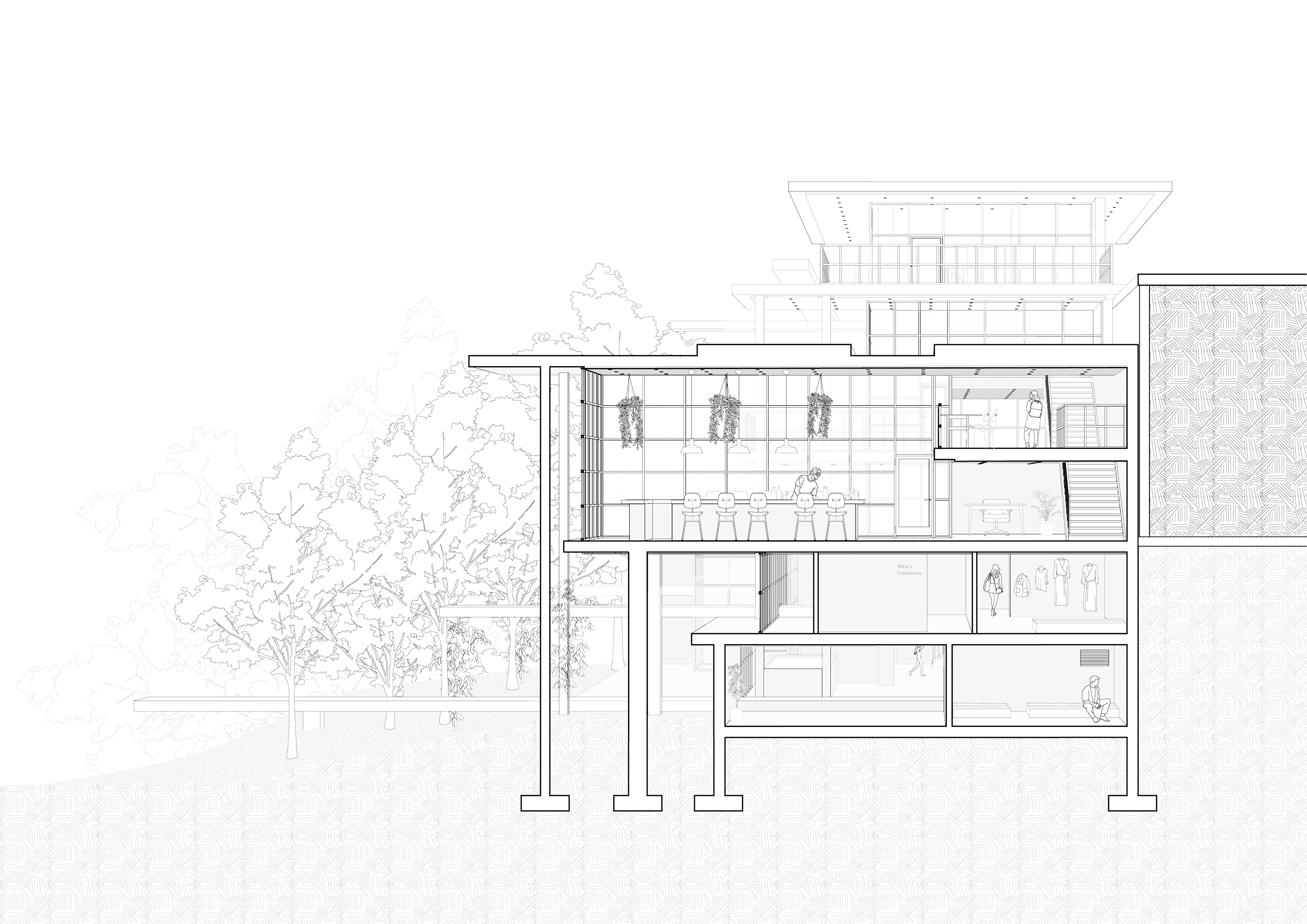
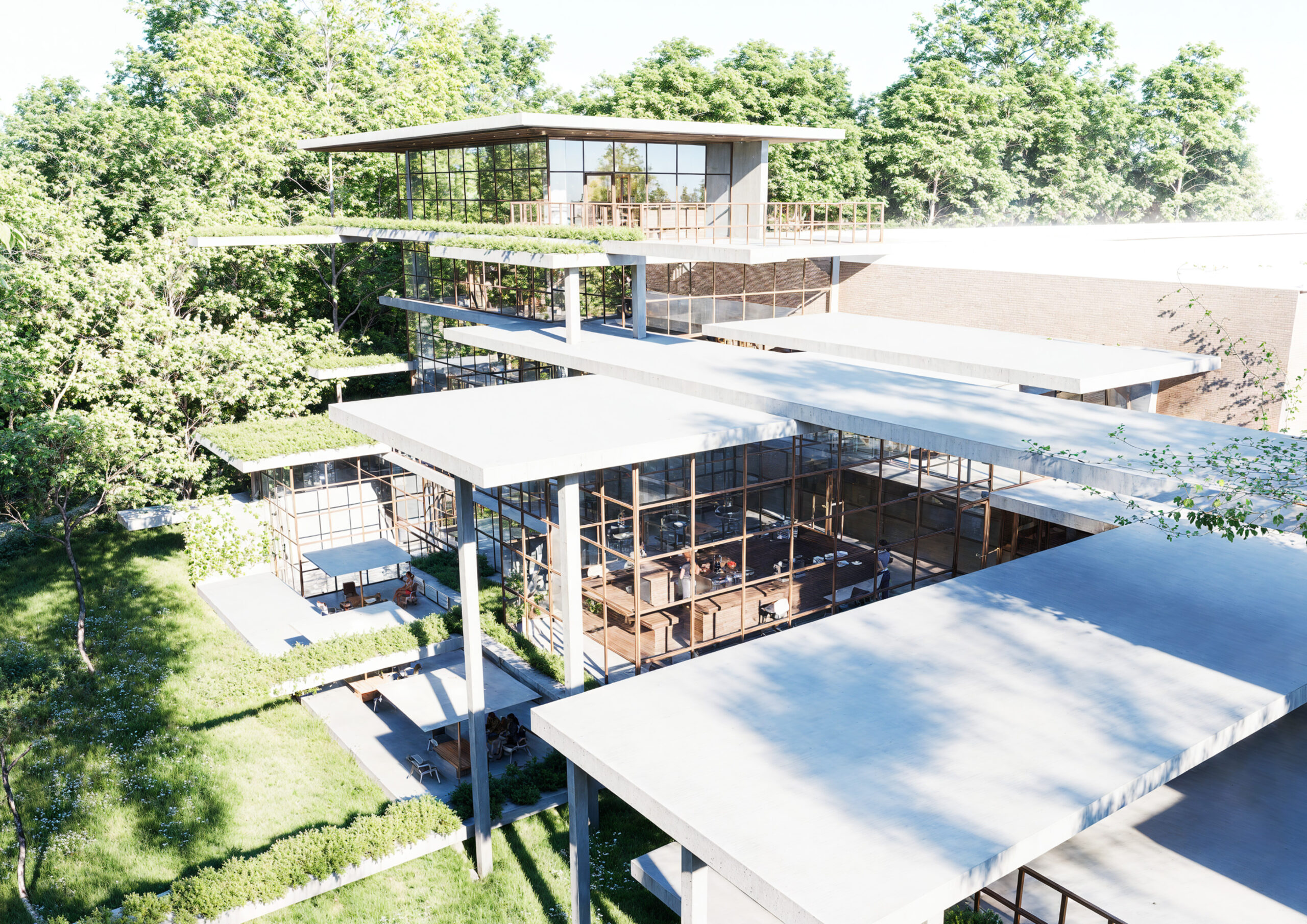
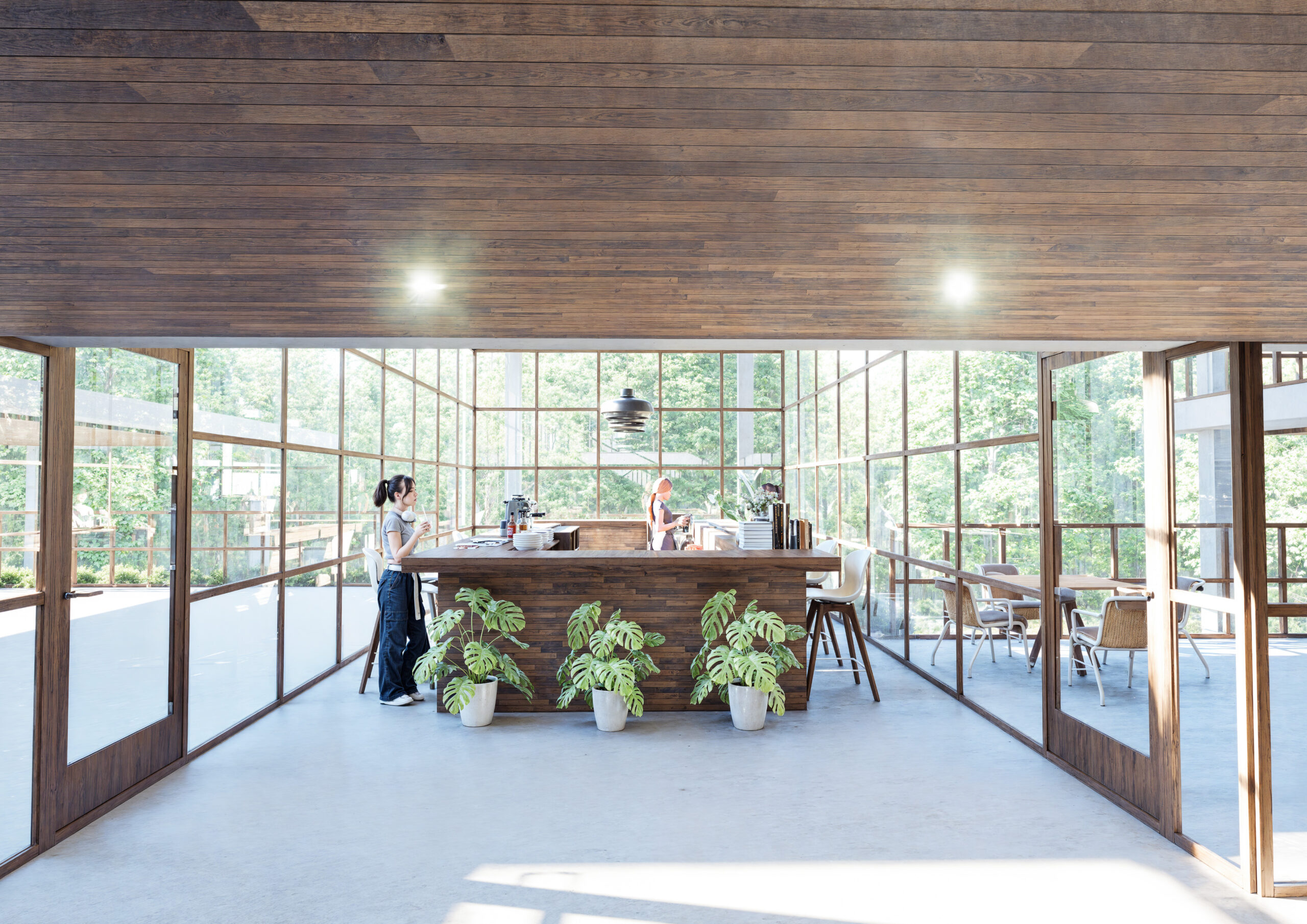
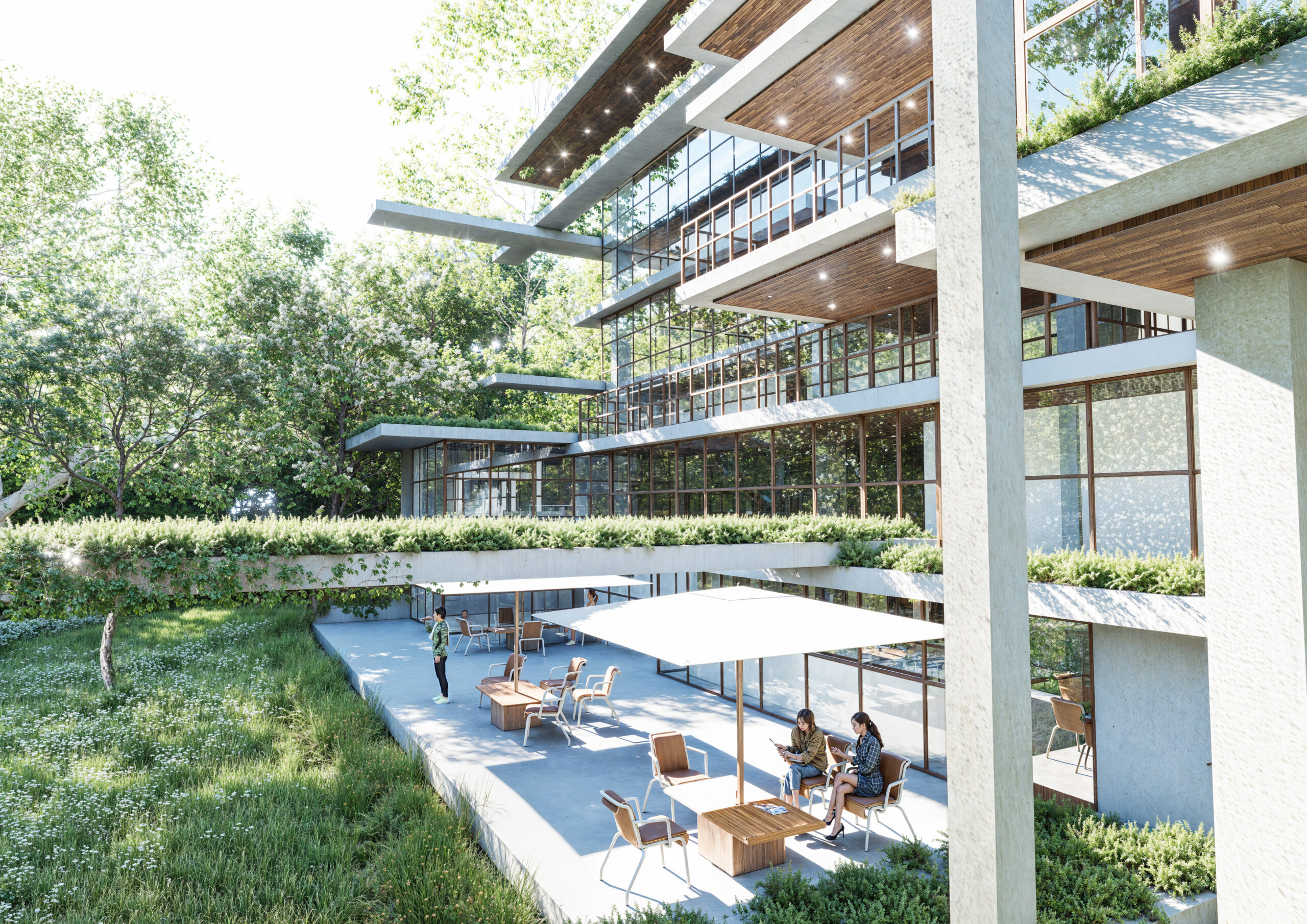
This strategy establishes the Wellness Center as a gradient of experiences. At the campus edge, spaces are more formal and collective: the library, café, and studios. Moving outward, the scale becomes more intimate: pools surrounded by greenery, secluded guest rooms, quiet alcoves for reflection. Architecture becomes progressively more porous until finally it dissolves into the trees.
Plant life is integral to the architecture: ivy climbing façades, gardens absorbing verandas, vines draping across cantilevered roofs. The building is designed to be gradually absorbed by nature, blurring the boundary between constructed and grown.
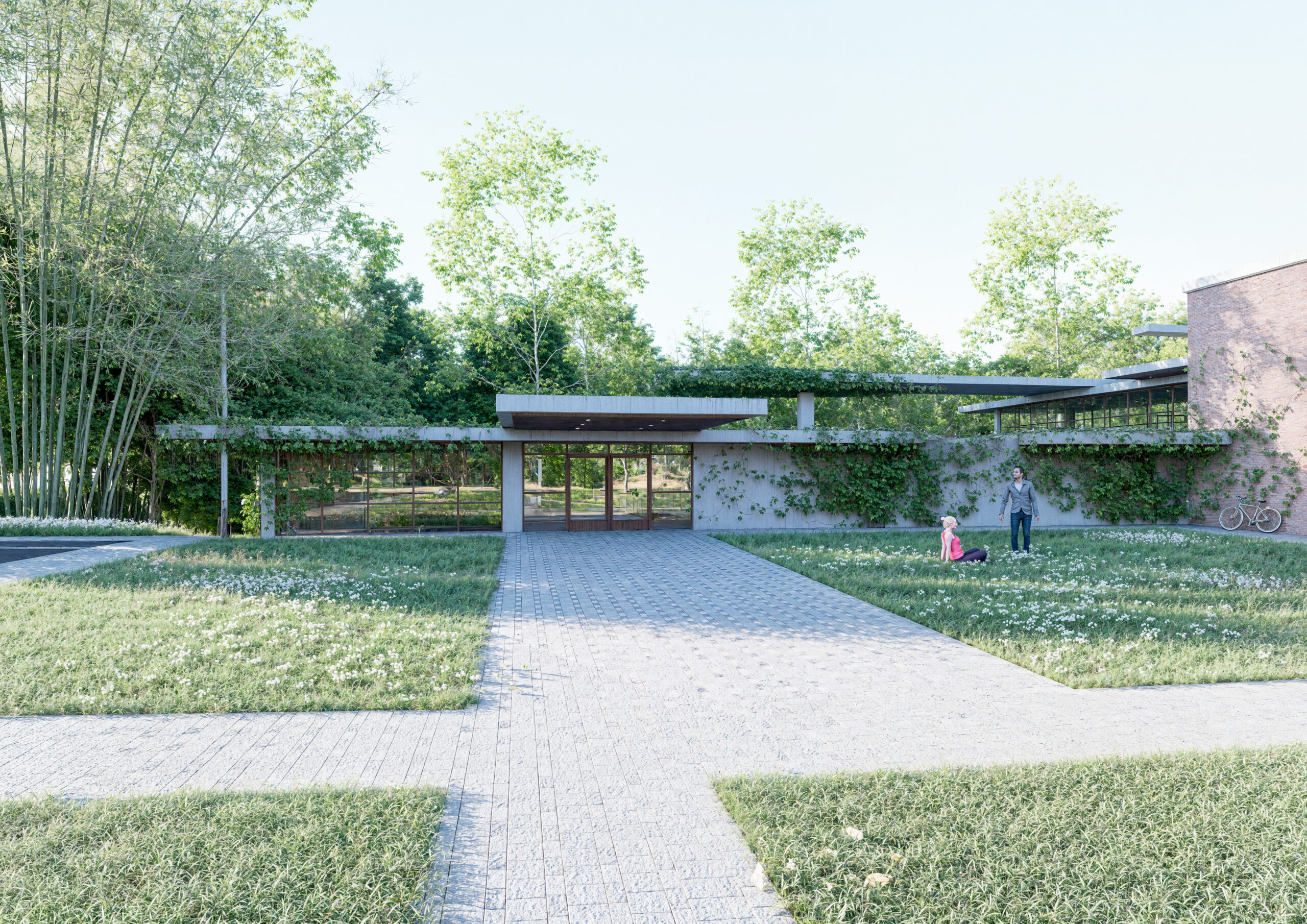
In this project, the rigor of the campus grid is not abandoned but reinterpreted into a built landscape that grows into the forest. The Cranbrook Wellness Center extends the academy’s legacy not by repeating its forms, but by translating its principles into a new condition. Where Saarinen’s architecture framed courtyards to cultivate social and intellectual life, the Wellness Center fragments into smaller enclosures to cultivate wellness and reflection. Both approaches share a belief in the formative power of architecture.